How WESCO is governed.

A Presidency, a Presidential Council of advisors and the committees and departments that run each area of the consortium.

One consortium, two parts

WESCO is made of two parts: a private company and a non-profit institute. Each has its own purpose.

Private company

WESCO The Company

  • Runs private business with peers and affiliates
  • Runs the commercial side of the network
  • Supports the ZEUS and AEU management platforms
  • Partners with Poly Group on PEGT, the national league in China
  • Trades commodities
  • Develops technology and hardware
  • Brings drones to agriculture and security
  • Develops solar energy and power plants

Non-profit institute

WESCO The Institute

  • Runs the social projects
  • Runs the educational projects
  • Runs the cultural projects
  • Runs the sports development projects
  • Runs the international cooperation programs
  • Runs research, publications and public debate
  • Runs the community and inclusion programs
  • Has no profit purpose

Beyond the game

Beyond Esports and Digital Sports, but through them

The Company grows other businesses that come from the network built in Esports and Digital Sports.

  • Commodities
  • Technology and hardware
  • Drones for agriculture and security
  • Solar energy and power plants
  • And other businesses

Common to both

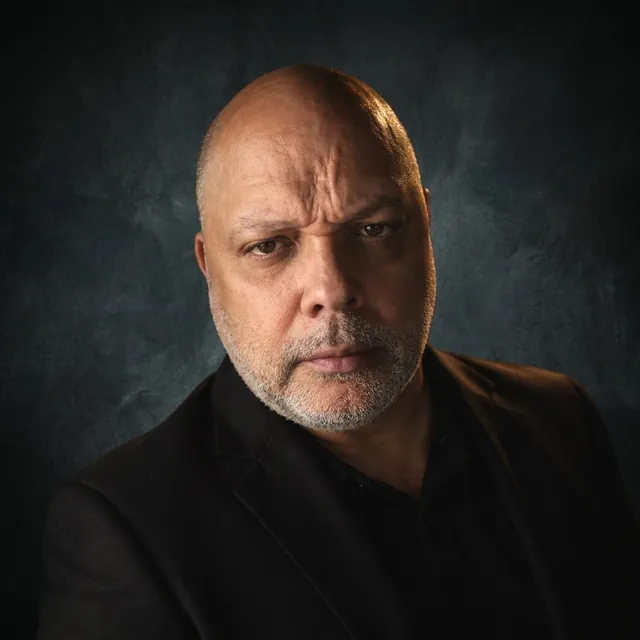
  • One command: Daniel Cossi, Chairman and CEO of both
  • Both registered in Brazil and in China
  • Side by side under the WESCO trademark (name and logo)
  • Trademark owned by E-Investments Holding and Business Advisory Ltd.

The network at a glance

From the CEO and Chairman outward: executive leadership, advisory, committees, regional Vice Presidents and the functional directors.

Presidency

The Chairman and CEO leads the consortium, with a Global Vice President and Vice Presidents for each region.

Meet the leadership

Layered organogram

Executive governance structure

Five levels with distinct roles, all under the strategic leadership of the CEO and Chairman: executive authority, regional leadership, functional expertise, advisory support and executive administration.

Executive leadership

5 bodies

  • CEO and Chairman
  • Office of the CEO and Chairman
  • Executive Chief of Staff
  • Executive and Personal Assistant to the CEO and Chairman
  • Executive Directors

Regional leadership

2 bodies

  • Global Vice President
  • Regional Vice Presidents

Functional leadership

1 body

  • Directors by area: 38 positions in six groups, listed below

Executive advisory

3 bodies

  • Presidential Council
  • Executive Advisors
  • Special Advisors

Executive administration

1 body

  • Executive Secretariat

What each one does

Executive leadership
The highest executive office. The CEO and Chairman sets direction. The Office of the CEO coordinates governance and protects the strategic priorities. The Chief of Staff turns the CEO's vision into coordinated action and can request operating information from every department. The Executive Assistant runs the CEO's agenda and confidential matters. Each Executive Director leads one strategic area, department or program and answers for its results.
Regional leadership
Power is shared by territory. The Global Vice President works across regions, and each Regional Vice President represents WESCO in one territory: builds partnerships, writes the regional plan and reports what the region shows. The Leadership page shows who sits where.
Functional leadership
One director owns each area of work, so no subject is left without an owner. Directors run their field, from competitions and refereeing to law, finance and technology, and recommend policy to the Presidency.
Executive advisory
The people who advise but do not command. The Presidential Council gives institutional counsel. Executive Advisors provide independent analysis and recommendations. Special Advisors bring deep expertise in one subject and join strategic projects. None of them holds executive authority unless the CEO delegates it.
Executive administration
The Executive Secretariat keeps the office running: official correspondence, records, agendas, meeting organisation and document workflows. It reports to the Chief of Staff and works under the oversight of the CEO.

Functional matrix

Functional leadership

One director for each area of work, from competitions and education to technology, business, institutional affairs and regional desks.

Sport and competition

10 areas

  • Esports
  • Digital Sports
  • Mind Sports
  • Olympic Movement Affairs
  • Rankings & Competitions
  • Refereeing & Technical Officials
  • Athlete Development
  • Women's Esports
  • Youth Development
  • Events

Education and research

4 areas

  • Education
  • University Programs
  • Research & Development
  • Innovation Programs

Technology and media

5 areas

  • Innovation & Technology
  • Artificial Intelligence
  • Digital Platforms
  • Media & Broadcasting
  • Marketing & Communications

Business and partnerships

7 areas

  • International Business Development
  • Strategic Partnerships
  • Commodities
  • Energy
  • Smart Cities
  • Membership
  • Finance

Institutional affairs

6 areas

  • Government Relations
  • Legal Affairs
  • Integrity, Ethics & Compliance
  • Sustainability
  • Community Development
  • International Cooperation

Regional affairs

6 areas

  • China Affairs
  • Africa Affairs
  • Europe Affairs
  • Americas Affairs
  • Middle East Affairs
  • Asia-Pacific Affairs

What each one does

Sport and competition
Run the sport itself: the disciplines, rankings, referees, athlete and youth pathways, women's Esports and events. This is where a title becomes a fair result.
Education and research
Turn knowledge into programs: education, university links, research and innovation programs, so the field trains its own professionals.
Technology and media
Build and tell the digital side: technology, artificial intelligence, platforms, broadcasting and communications.
Business and partnerships
Make the system pay for itself: international business, partnerships, commodities, energy, smart cities, membership and finance.
Institutional affairs
Keep the system legitimate: government relations, law, integrity and compliance, sustainability, community and international cooperation.
Regional affairs
Give each region a desk at headquarters: China, Africa, Europe, the Americas, the Middle East and Asia-Pacific.

Advisory body

Presidential Council

Members of the Presidential Council are appointed by the President, who is the CEO and Chairman of WESCO, to advise him. The role of each member varies with the advisor's area of expertise.

Peng Lihui

China

President of the Advisors. Secretary-General of the China Electronic Chamber of Commerce.

Emmanuel Oyelakin

Nigeria

Advisor. Secretary-General of the African Confederation of Digital Sports.

Alexander Ospina

South America

Advisor. President of FEDECOLDE.

José Romero

Central America and the Caribbean

Advisor. President of FENAVIDE.

Committees and departments

Committees and departments

Each area has a head who answers to the Presidency. More committees are being created.

Affiliation and Standards

Gabriel Duarte

President's Office. Handles affiliation and the standards that members follow.

Asian Commercial Department

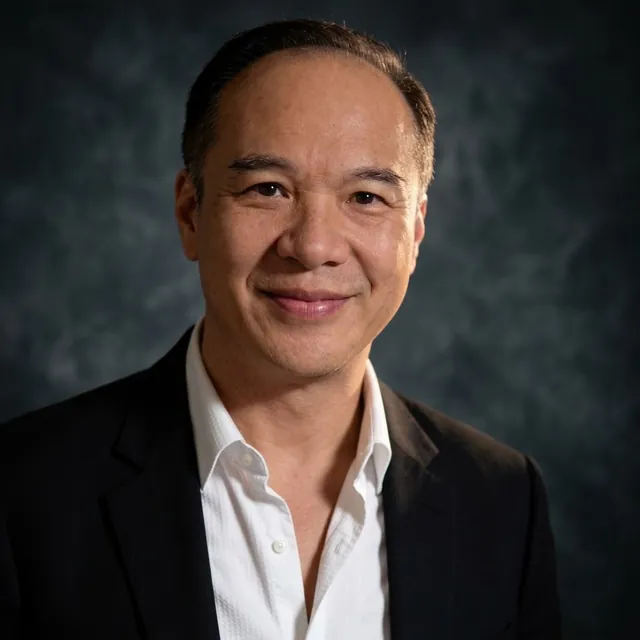
Jacky Wu (Wu Yijie)

General Manager for China and Asia. Investment promotion, competitions, events and business activity in mainland China, Hong Kong, Macau and Taiwan.

Referee Committee

Kathleen Cossi

Head. Digital sports refereeing, led by a referee with 8 years of international experience.

Education Committee

Daniel Córdoba

Head. Professor at EUNCET Business School and director of EurofitnessEDU.

Women in Sports Committee

Alejandra "AzLeC"

Head. Streamer and Esports manager in the Americas, known for MLBB and FPS games.

What each one does

Affiliation and Standards
Handles affiliation and the standards that members follow. Why it exists: a member is only credible if the entry rules and the standards are the same for everyone.
Asian Commercial Department
Investment promotion, competitions, events and business activity in mainland China, Hong Kong, Macau and Taiwan. Why it exists: business in China and the rest of Asia follows its own channels, and it needs a local lead.
Referee Committee
Digital sports refereeing, led by a referee with 8 years of international experience. Why it exists: a sport needs neutral officials and one rulebook before anyone trusts its results.
Education Committee
Professor at EUNCET Business School and director of EurofitnessEDU. Why it exists: the field grows when its people are trained to a common standard.
Women in Sports Committee
Streamer and Esports manager in the Americas, known for MLBB and FPS games. Why it exists: women's participation grows faster when someone owns the goal and the data.

Ready to dive in?

Tell us what your country, federation or company wants to build. We will tell you how WESCO can help.

Write to WESCO